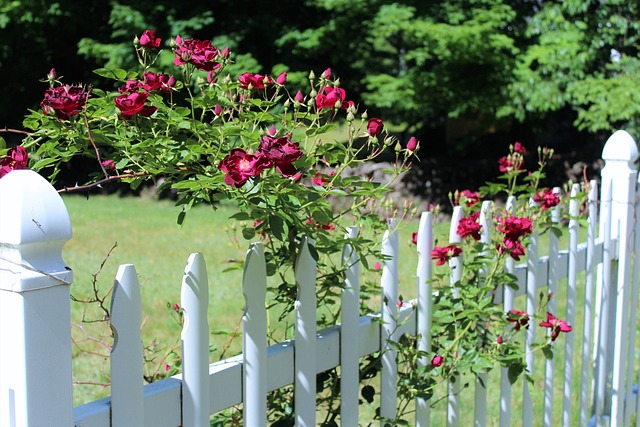
DIY Fence Installation Tips for New Bedford, Massachusetts Homeowners
Considered a cornerstone of outdoor home improvement, installing a fence can significantly enhance your property’s value, security, and aesthetics. This guide is tailored for New Bedford homeowners looking to embark on their DIY fencing project. We’ll walk you through understanding your fence options specific to the local landscape, measuring and planning with precision, and provide a detailed installation process from preparation to final touches. Additionally, we offer post-installation tips to ensure maintenance and longevity of your new fence.
- Understanding Your Fence Options for New Bedford Yards
- Measuring and Planning: A Step-by-Step Guide
- Installation Process: From Preparation to Final Touches
- Post-Installation Tips for Maintenance and Longevity
Understanding Your Fence Options for New Bedford Yards
When it comes to fencing your New Bedford, Massachusetts yard, there are numerous options to consider. The first step is to evaluate your specific needs and preferences. Fences serve various purposes—from providing privacy to defining property lines and enhancing security. For instance, a tall wooden fence offers both aesthetics and seclusion, while a chain-link fence is more cost-effective and ideal for areas requiring maximum visibility.
The climate in New Bedford also plays a role in your choice. Consider materials that can withstand the region’s seasonal changes. Local regulations should be another factor; some towns have specific guidelines regarding fence height, materials, and placement to ensure compliance with neighborhood association rules or historical preservation standards. Researching these options beforehand will make your DIY installation process smoother and more successful.
Measuring and Planning: A Step-by-Step Guide
Before you start pounding any posts into the ground, it’s crucial to spend some time measuring and planning your fence installation. Begin by identifying where you want the fence to be located, considering property lines and existing features like trees or shrubs. Next, decide on the type of fence that best suits your needs, taking into account factors like height, style (privacy, decorative, etc.), and material (wood, vinyl, chain link).
Once you have a clear vision, it’s time to measure. Use a tape measure to determine the perimeter of the area where you want to install the fence. Mark these points on the ground for reference. From there, decide on the spacing between posts, typically 6-8 feet apart for most residential fences. Using string and stakes, outline the fence line, ensuring it’s straight and true. This visual aid will help guide your post-installation process and ensure a professional look.
Installation Process: From Preparation to Final Touches
The DIY fence installation process begins with thorough preparation, ensuring your New Bedford yard is ready for construction. This includes clearing the area, marking where the fence will be erected using stakes and string, and assessing any necessary post placement based on soil conditions. Digging the holes for the fence posts should be precise to ensure structural integrity. Once the posts are securely in place, attach the horizontal rails, providing a solid foundation for your chosen fence panels or top rail.
The final touches involve securing the fence panels or picking the desired topping like caps or spikes. Make sure all connections are tight and checked for stability. Consider adding a coat of paint or sealant to protect the fence from the elements, enhancing its longevity and aesthetic appeal.
Post-Installation Tips for Maintenance and Longevity
After successfully installing your new fence, maintaining it is key to ensure longevity and a pristine appearance. Regular cleaning is essential; brush away dirt and debris to prevent buildup. Inspect your fence periodically for any signs of damage or wear and tear, addressing issues promptly to avoid larger problems.
To keep your fence looking its best, apply a fresh coat of paint or sealant annually. This protective layer shields it from the elements and prolongs its life. Ensure proper drainage around the fence to prevent water damage, and trim any overgrowth nearby to maintain clear access for maintenance and aesthetic appeal.