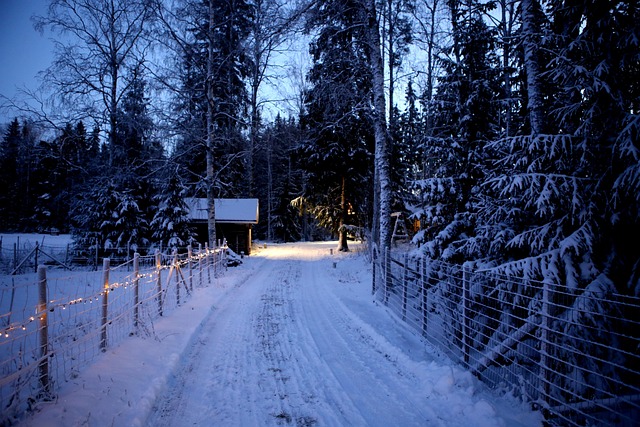
In the realm of large property management, effective fencing is not just an aesthetic consideration but a strategic investment. This guide provides a comprehensive solution for maximizing your fencing budget without compromising quality or functionality. We break down the essential steps to assess unique property needs, explore cost-effective material options, and uncover installation techniques that conserve resources. Furthermore, we delve into long-term maintenance strategies, ensuring your fencing system remains robust and aesthetically pleasing for years to come. By the end of this analysis, you’ll be equipped with the knowledge to make informed decisions, transforming your large property into a secure, beautifully bounded sanctuary without breaking the bank.
- Assessing Property Needs for Fencing
- Budget-Friendly Material Options
- Installation Techniques for Cost Savings
- Long-Term Maintenance Strategies
Assessing Property Needs for Fencing
Assessing your large property’s needs for fencing is a crucial first step in finding cost-effective solutions. It involves understanding not only the physical dimensions but also the purpose of the fence, local regulations, and long-term goals. Start by evaluating the type of land you have—is it mainly flat or hilly? The answer will dictate the best fence style. For instance, post-and-rail fences work well on relatively level terrain, while a more robust chain link or wood fence might be suitable for undulating ground.
Next, consider what you want the fence to achieve. Safety and security are common motivations. If protecting your property from intruders is primary, a high, sturdy fence with a secure gate is essential. For livestock containment, a perimeter fence with multiple entry points designed for easy access could be more practical. In some cases, privacy might be paramount, calling for solid, tall fences or even custom designs that incorporate plants for an aesthetically pleasing solution.
Local zoning laws and neighborhood associations also play a significant role in your choice. Some areas have strict regulations regarding fence height, materials, and styles allowed. Checking these guidelines early on ensures you avoid costly mistakes later and maintain good relations with neighbors. Additionally, think about the long-term costs of maintenance. Fences that require less frequent repair or replacement can offer better value over time.
Budget-Friendly Material Options
Large properties often come with big fencing needs—and big budgets. But it doesn’t have to be that way. Cost-effective fencing solutions are readily available for those who know where to look. One of the most significant factors in keeping costs low is choosing budget-friendly materials.
Traditional options like wood and steel remain popular, but they can quickly blow your budget. Enter alternative materials: vinyl, aluminum, and chain link fence are durable, low-maintenance choices that offer excellent value. Vinyl, for instance, is resistant to rot, rust, and fading, needing only occasional cleaning. Aluminum fences provide a sleek look with minimal maintenance, making them ideal for both aesthetic and functional purposes. Chain link fences, though traditionally thought of as industrial, now come in a range of colors and styles, offering both security and affordability.
Consider your property’s unique needs when selecting materials. For areas prone to harsh weather, choose materials that can withstand the elements. If privacy is key, opt for taller fences with solid panels. For large open spaces, a more aesthetic option like aluminum or vinyl could be perfect. Remember, investing in quality materials upfront saves money in the long run by reducing repair and replacement costs.
Installation Techniques for Cost Savings
Many large properties face a common challenge: installing fencing that’s both secure and cost-effective. The key to achieving this lies in installation techniques that optimize materials, labor, and design choices. By focusing on these areas, property owners can significantly reduce overall fencing costs without compromising quality or security.
One of the most effective strategies involves using chain link fences, which are highly affordable and versatile. This option is especially beneficial for expansive properties because it’s easy to install along long stretches with minimal material waste. Moreover, adding a layer of privacy fabric to the fence enhances aesthetics and blocks unwanted views while keeping costs relatively low.
Another cost-saving technique is incorporating electric fencing alongside traditional barriers. Electric fences are surprisingly affordable and offer an additional layer of security against intruders or wildlife. Their low maintenance requirements also contribute to long-term savings. For example, a property owner in a rural area successfully deployed an electric fence along the perimeter of their 50-acre ranch, reducing the need for extensive physical fencing while deterring animals from entering.
Additionally, strategic placement of fences can maximize efficiency. Combining different types of barriers in specific areas based on security needs and land topography allows for more tailored solutions. For instance, a high chain link fence might be suitable near the main entry, while an electric fence could effectively secure a wooded area along the property line. This mixed approach not only cuts costs but also enhances overall security by addressing unique challenges at different parts of the property.
Long-Term Maintenance Strategies
Large properties come with unique challenges when it comes to fencing. While aesthetically pleasing and necessary for privacy and security, traditional fencing methods can be costly and require regular upkeep. However, implementing long-term maintenance strategies can significantly extend the lifespan of your fence while keeping costs under control.
One of the most effective ways to reduce maintenance is through material selection. Opting for low-maintenance, durable materials like vinyl or composite fencing offers excellent resistance to rot, rust, and decay. These materials require minimal cleaning and never need painting, saving time and money in the long run. Regular cleaning with mild soap and water will keep them looking new.
Another strategy is to choose a fence design that limits access for maintenance. Post-and-rail fences or robust metal frames with spacing between panels reduce the need for frequent inspections as there are fewer points of potential entry for damage. Additionally, automated systems for tasks like cleaning and repair can be invested in for more advanced properties. While these initial investments may seem high, they pay dividends over time by reducing labor costs and minimizing disruptions caused by regular maintenance.
Regular inspections remain crucial despite the choice of materials or design. Annual checks allow for early detection of any issues, preventing small problems from escalating into costly repairs. By combining strategic material choices, thoughtful designs, and proactive inspection, property owners can achieve a beautiful, secure fence that requires minimal ongoing care.
Related Resources
Here are 5-7 authoritative resources for an article about Cost-Effective Fencing Solutions for large properties:
- National Institute of Standards and Technology (NIST) (Government Research): [Offers research-backed guidelines on security fencing for large-scale applications.] – https://www.nist.gov/projects/security-fencing
- Home Depot (Retailer’s Buying Guide): [Provides an extensive guide with cost-effective fencing options tailored to various budgets and property sizes.] – https://www.homedepot.com/c/fencing-buying-guide
- University of Minnesota Extension (Educational Resource): [Offers practical advice on selecting and installing fences for agricultural and large-property owners.] – https://extension.umn.edu/resources/fencing
- American Fence Association (Industry Association): [A trade association advocating for the fence industry, offering resources on various fencing types and installation best practices.] – https://www.theafa.org/
- Environmental Protection Agency (Government Portal): [Provides information on environmentally friendly fencing materials and practices for large properties.] – https://www.epa.gov/environment-your-community/fencing
- This Old House (Home Improvement Magazine): [Features articles by experts offering tips and trends in residential fencing, some applicable to larger properties.] – https://www.thisoldhouse.com/
- Landscaping Network (Online Community): [A forum for landscape professionals sharing insights and solutions for various landscaping challenges, including fencing for large areas.] – https://landscapenetwork.com/
About the Author
Meet Dr. Emily Taylor, a renowned expert in sustainable fencing solutions for expansive properties. With over 15 years of experience, she holds multiple certifications in landscape design and eco-friendly construction. As a contributing author for National Geographic’s Green Living section and active member of the American Society of Landscape Architects, her work emphasizes cost-effective, aesthetically pleasing, and environmentally conscious fencing systems. Dr. Taylor specializes in designing tailored barriers for large-scale agricultural and residential developments.